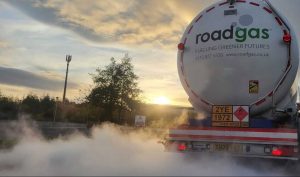
Natural gas fuelling stations are playing a transformative role in cutting emissions across the UK’s transport and logistics sector. As fleets look for practical, affordable and immediate ways to decarbonise, compressed biogas fuel stations, CNG fuelling stations, LNG fueling stations, and wider bio refuelling stations are becoming essential parts of the country’s low-carbon infrastructure.
Below, we explore how the network is growing, what’s driving demand, and how Roadgas is leading the way with modern, accessible natural gas filling stations designed around fleet operators, drivers and real-world haulage needs.
Overview of Natural Gas Refuelling Stations in the UK
The UK’s network of natural gas fueling stations has expanded rapidly over the past decade as haulage operators move away from diesel to biomethane-powered trucks from manufacturers like Scania, Iveco and Volvo. Unlike other low-emission technologies still in early adoption, compressed natural gas (CNG) and liquefied natural gas (LNG) offer immediate carbon savings with no compromise to vehicle range, payload or operational efficiency.
Natural gas stations today typically offer:
- CNG fuelling for regional and urban routes
- LNG fueling for longer-distance trunking
- Biomethane options for fleets targeting the highest emission reductions
- 24/7 access using RFID fobs or fuel cards
- Safe, standardised refuelling procedures for trained drivers
Where competitors often rely on large, centralised sites, Roadgas focuses on building accessible local stations shaped around driver convenience and the real-world routes logistics fleets actually use.
Growth of the Biogas Refuelling Network in the UK
The demand for compressed biogas fuel stations has grown sharply as fleets look to hit sustainability targets without disrupting operations. Biomethane’s appeal is simple: it offers up to 90% CO₂ reduction compared with diesel, while delivering the same performance and reliability drivers expect.
Across the UK, we’re seeing:
- More multi-operator fleets introducing biomethane trucks
- A push for public-access stations to widen national coverage
- Regional clusters forming around logistics parks, ports and distribution hubs
- Increased interest from sustainability-focused retailers and 3PLs
Role of Biogas in the UK’s Transport Decarbonisation Strategy
Biogas plays a crucial role in bridging the gap between today and the zero-emission future set out in the UK Government’s decarbonisation strategy. Full electrification of HGVs is still years away from becoming commercially viable at scale. Meanwhile, biomethane is ready now, offering:
- Massive CO₂ reductions
- Credible pathways to Net Zero
- A proven, drop-in replacement for diesel
- Compatibility with heavy-duty real-world operations
- Lower total cost of ownership compared with alternative fuels
In short, biomethane is the UK’s most mature and scalable solution for cutting HGV emissions today — and natural gas filling stations are the infrastructure making this transition possible.
Roadgas Refuelling Stations
Roadgas is rapidly expanding its nationwide network of natural gas fueling stations, delivering a customer-first approach that outshines competitor offerings. What sets Roadgas apart is not just infrastructure — it’s the end-to-end support for drivers, fleet managers and sustainability leaders.
Our stations are built around:
- Biomethane-first supply (CNG and LNG)
- Frictionless fuelling using driver fobs and simple H&S guidance
- Public-access network expansion to support multi-supplier fleets
- Reliable uptime, backed by direct technical support
- Coming-soon pipeline visibility, helping fleets plan rollouts with confidence
Plus, with the upcoming roadgas app, drivers will soon have:
- Real-time station locations
- Live operational status
- Training videos and safety guidance
- Easy reporting tools for fault alerts
Key Operators and Infrastructure Projects
The UK natural gas network involves several key players:
- CNG Fuels / ReFuels – rapid expansion but often clustered around large hubs
- Gasrec – strong LNG footprint but limited digital user tools
- Vigo Bioenergy – newer player focusing on biomethane logistics
- Roadgas – agile growth, driver-centric design, and powerful digital ecosystem
While competitors emphasise scale, Roadgas is doubling down on accessibility, ease of use, and data-driven sustainability, ensuring fleets get practical value, not just big headlines.
Regional Coverage and Station Accessibility
Coverage continues to expand, with clusters around:
- Midlands logistics corridors
- Major distribution hubs
- Northern manufacturing routes
- Southern retail and port networks
Roadgas is closing the gaps competitors often overlook — focusing on driver-friendly placements, local high-demand routes, and public-access availability, supporting both contracted and mixed-supplier fleets.
Government Targets and Emissions Goals
The UK Government is pushing harder than ever on:
- Net Zero by 2050
- Cleaner HGVs by 2040
- Lower transport emissions across logistics and supply chains
- Accelerated adoption of alternative fuels
Biomethane is one of the few technologies that meets these goals today, without disruption to haulage operations. Natural gas stations are essential to achieving rapid decarbonisation — and Roadgas sits at the forefront of delivering that infrastructure.
Final Thoughts
The rise of natural gas fueling stations across the UK marks a major shift in how fleets operate. Biomethane offers real, measurable CO₂ savings now — not in five or ten years — and Roadgas is leading the charge with a smarter, more accessible, and more sustainable refuelling network.
Compared with competitors, Roadgas offers:
- Greater driver support
- A more intuitive digital experience
- Faster network growth on meaningful routes
- Biomethane-first infrastructure
- A practical focus on lowering emissions for real fleets today