

What is CNG Fuelling? A Practical Guide for Fleet Operators
Compressed Natural Gas (CNG) is primarily composed of methane. When methane is produced from organic waste and upgraded to biomethane, it’s often referred to as bioCNG. For HGVs, buses and back-to-base fleets, CNG/bio-CNG offers a proven pathway away from diesel without disrupting operations.
 1 Mins
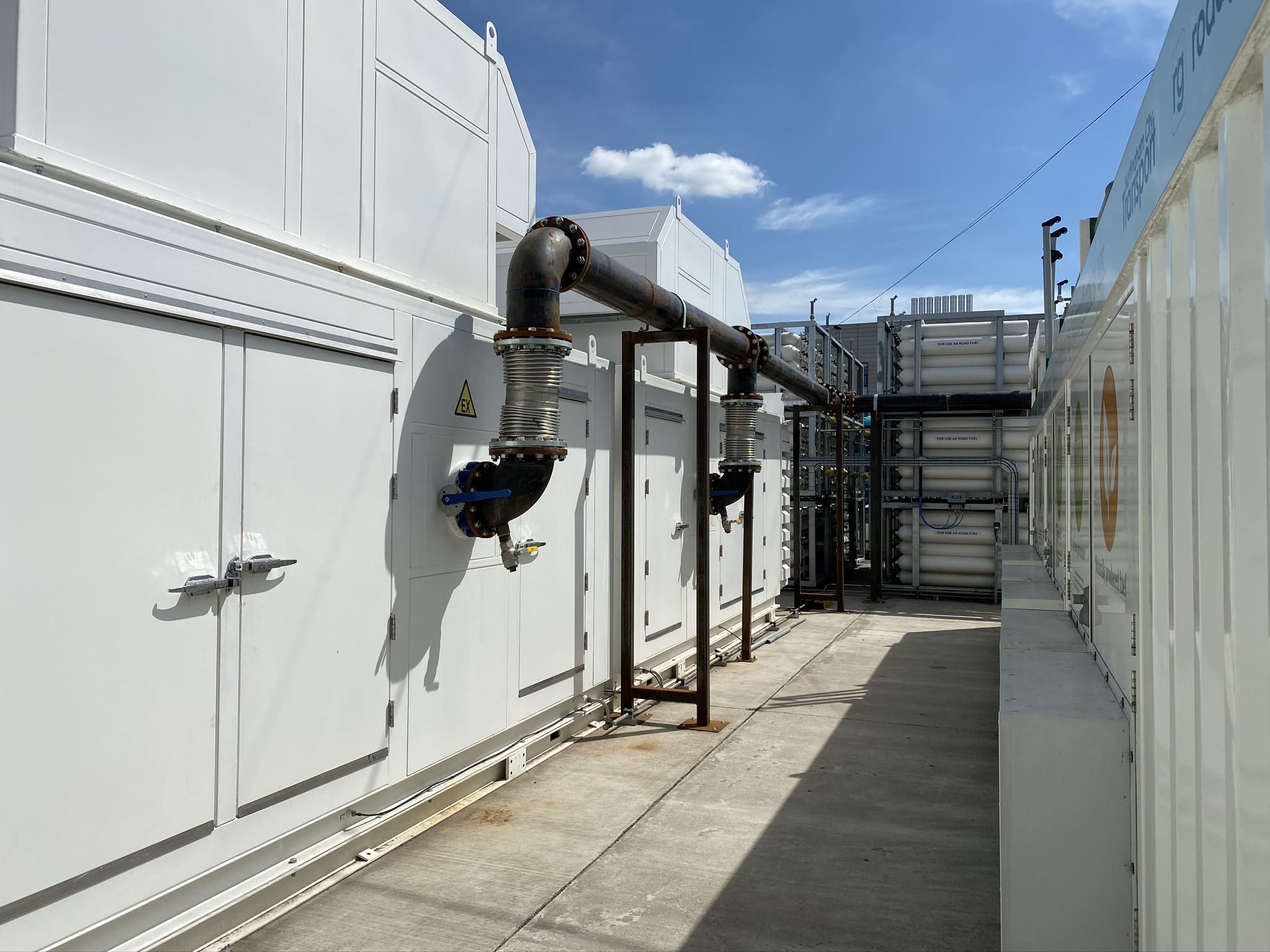
How a depot CNG/bio-CNG station works
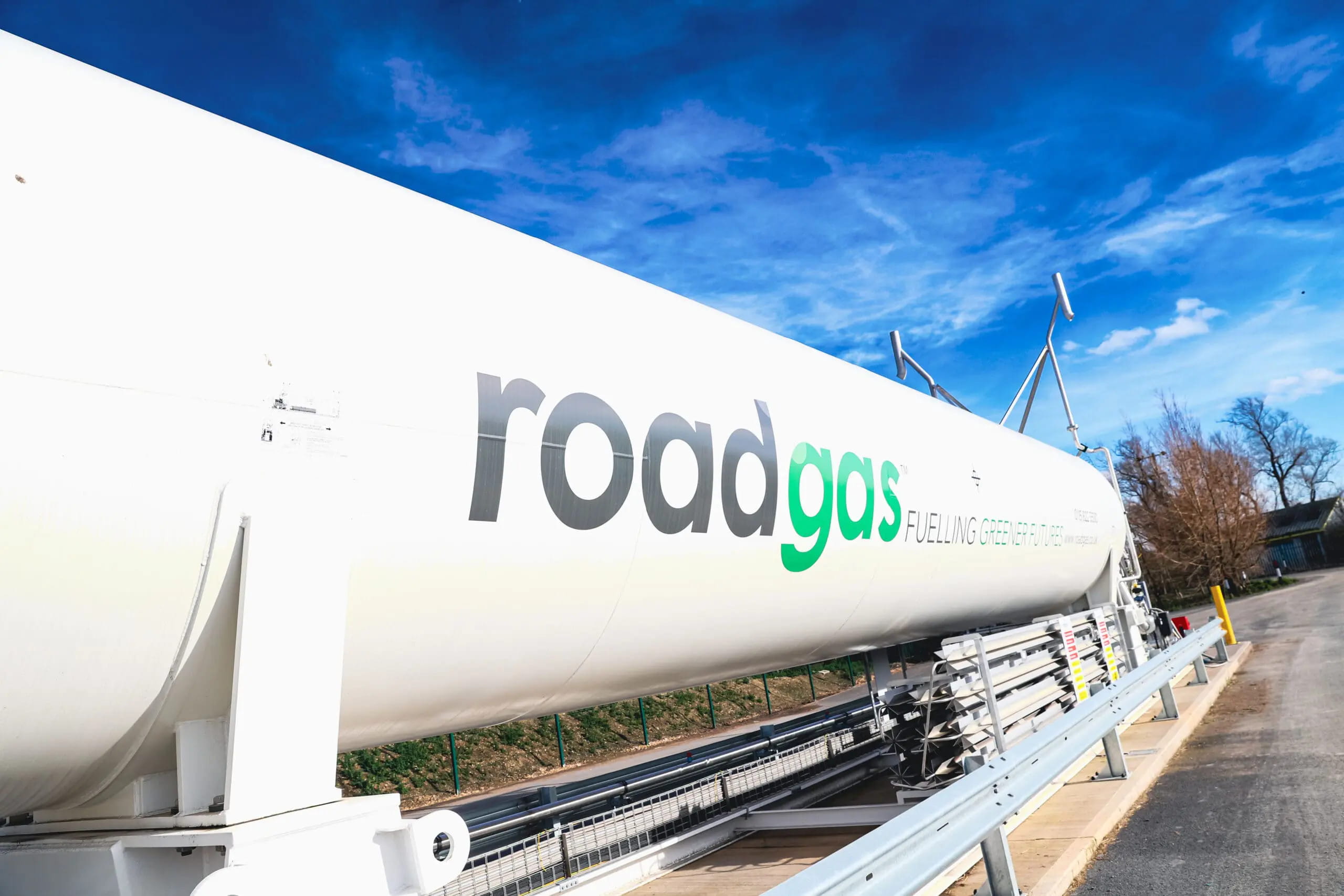
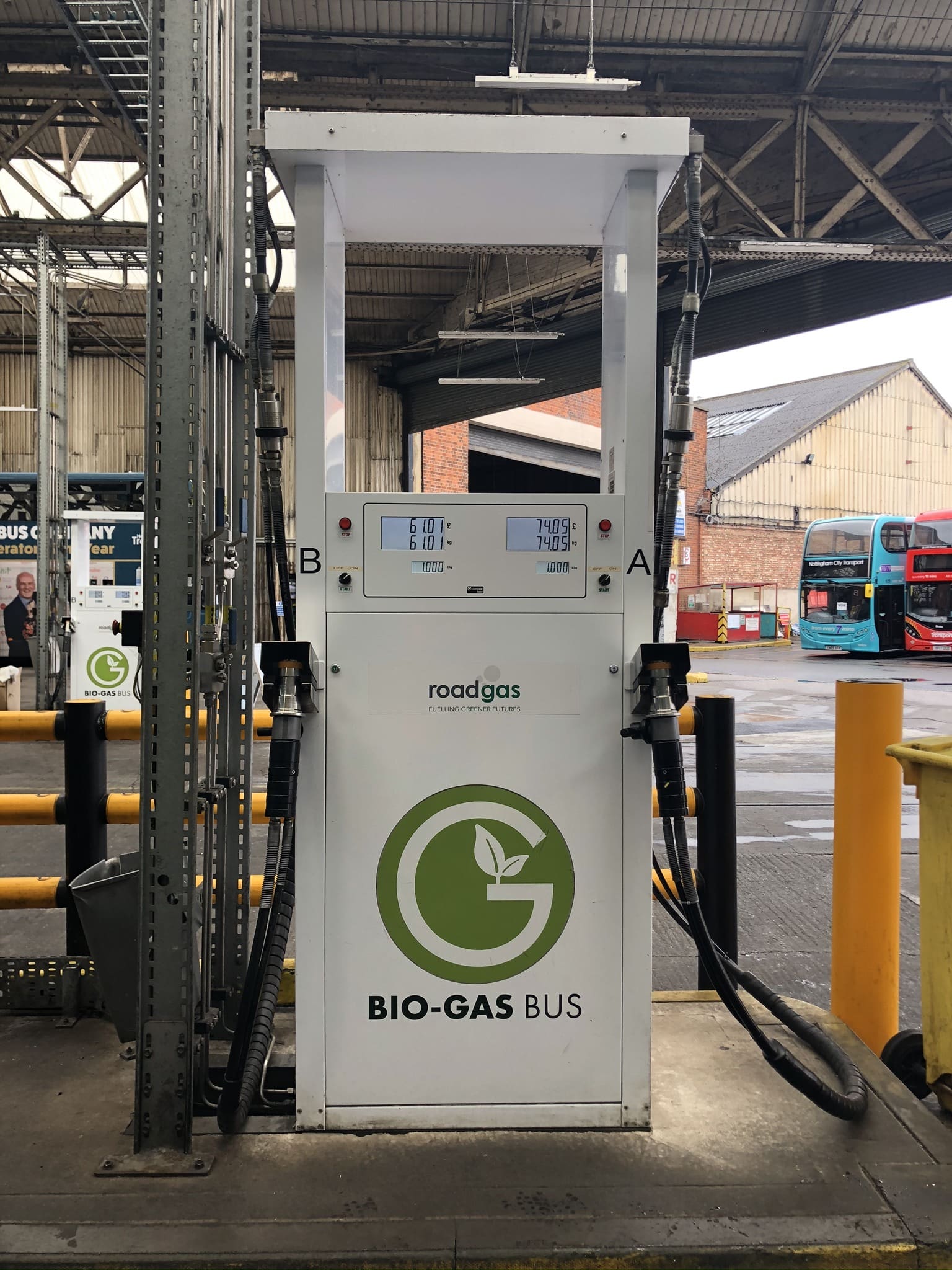
A bio-CNG station safely transfers gas to vehicle tanks, using accurate meters and strong safety controls
- Gas supply – Either from the National Grid, where available, or via tube‑trailer deliveries for off‑grid depots.
- Drying & filtration – Removes moisture and particulates to protect compressors, storage and vehicle systems.
- Compression – Multi‑stage compression brings gas up to dispensing pressure.
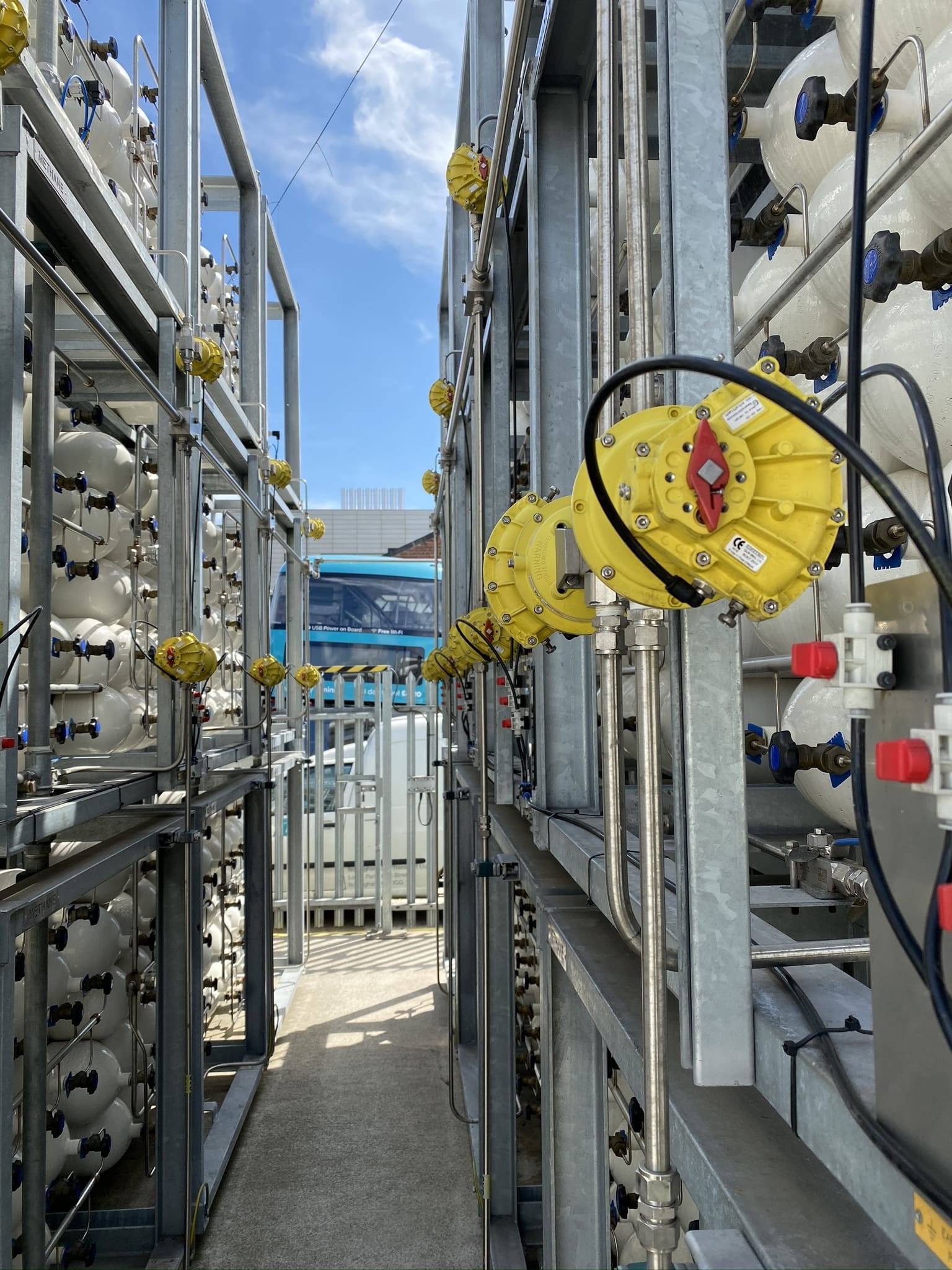
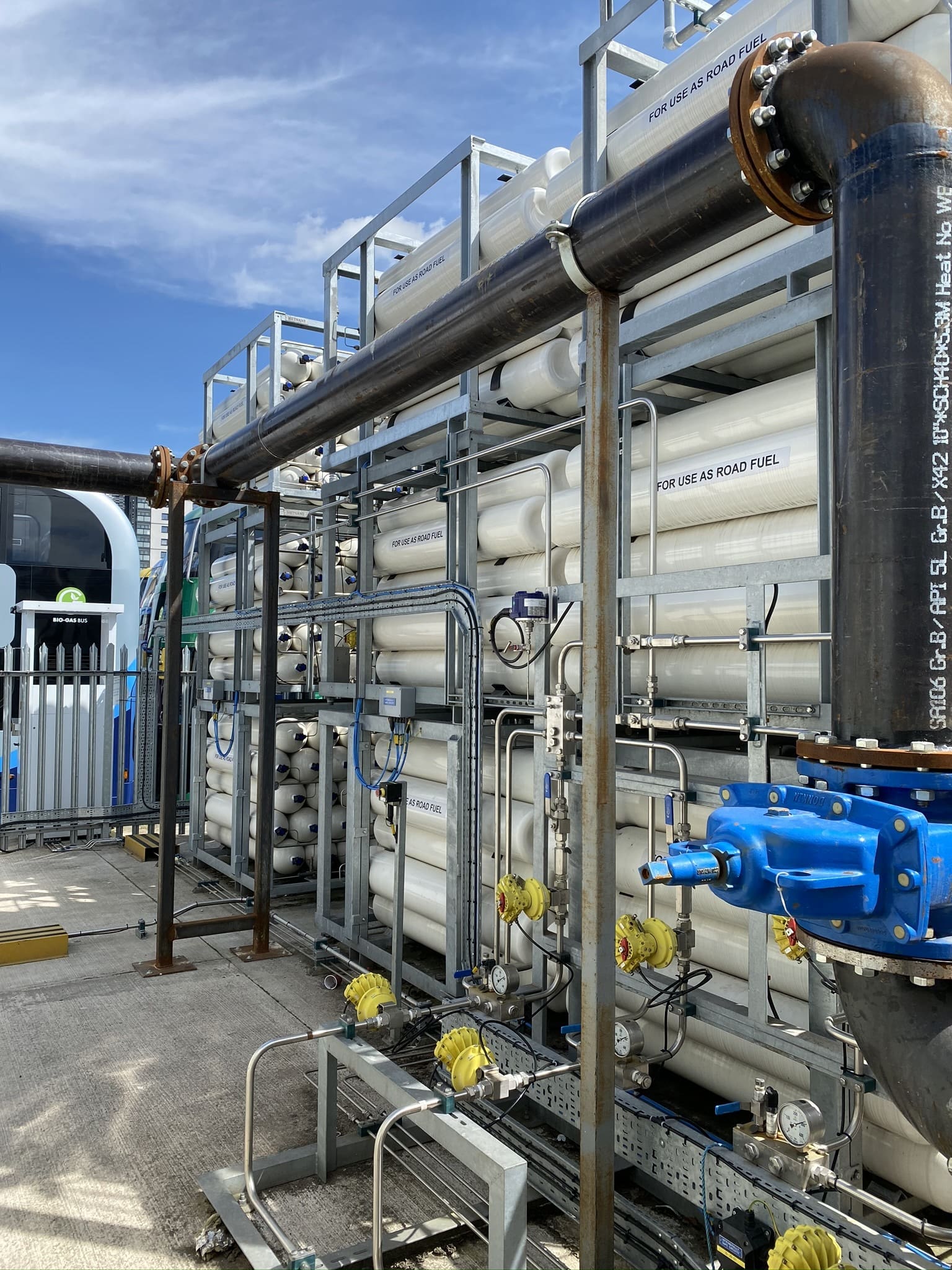
- Cascade storage – High‑pressure storage banks enable fast fills and reduce compressor cycling.
- Dispensing – Temperature‑compensated, accurately metered fuelling into onboard cylinders.
- Monitoring & safety – Gas detection, emergency stops, interlocks and telemetry support safe, reliable fuelling.
Where CNG fits best
HGVs
- Predictable routes, depot refuelling and high mileage make the economics work.
Back-to-base delivery fleets
- Night-time logistics benefit from low noise and dependable depot fuelling.
Why fleets switch
- Lower lifecycle CO₂e with bioCNG versus diesel, plus dramatically lower particulate emissions.
- Operational practicality delivers familiar maintenance cycles, quick refuelling and robust safety measures.
- Competitive fuel costs and policy support improved lifetime economics for high‑mileage duty cycles.
From blueprint to bay‑ready
Roadgas delivers bespoke bio-CNG, LCNG and bio-LNG refuelling solutions built around your duty cycles, sites and growth plans.
Stations tailored to your fleet
- On‑site fast‑fill and/or time‑fill configurations
- Grid‑connected solutions
- Scalable layouts with modular compression, storage and dispensers
Equipment, built in‑house
- Trailers, storage banks and dispensers designed, assembled and serviced by Roadgas to rigorous quality standards (ISO 9001)
Uptime, safety and training
- Remote monitoring, proactive maintenance and statutory examinations
- Clear driver training and HSSE procedures for first‑time and experienced gas drivers
Quick FAQs
No. CNG is a gas at high pressure and ambient temperature; LNG is natural gas/biomethane cooled to a liquid at cryogenic temperatures.
With fast‑fill designs, turnaround is comparable to a diesel stop in terms of range; time‑fill supports overnight depots.
Yes, CNG vehicles come with OEM support, and maintenance routines are familiar to fleet engineers.
Final thoughts
CNG is a practical stepping stone; bioCNG turns it into a credible decarbonisation solution today. If you’re exploring a depot station or off‑grid setup, Roadgas can deliver the infrastructure, gas supply and support to make your first fill—and your next ten—work perfectly.
Contact Us
Speak to Roadgas today to see how we can help you make the switch from diesel