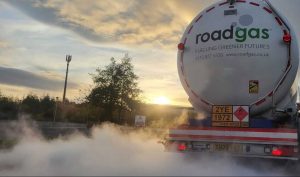
As the UK transport sector accelerates its shift towards cleaner, low-carbon operations, biogas fuels are fast becoming the first-choice solution for fleets looking to cut emissions without compromising performance. With both CNG refueling and LNG refueling now increasingly available nationwide, understanding how each option supports operational efficiency is essential for fleet managers planning a future-proof sustainability strategy.
The Basic of Biogas
Biogas is produced by breaking down organic waste — from food waste to agricultural residues — through anaerobic digestion. When upgraded to biomethane, it becomes a highly efficient, low-carbon replacement for traditional diesel, perfectly suited to heavy goods vehicles.
Why biogas matters:
- Up to 90% CO₂ savings
- Compatible with leading gas truck models from Scania, Volvo and Iveco
- Ready-to-deploy today — no waiting for future technology
- Supports circular, localised UK energy systems
Roadgas is committed to supporting the UK’s transition to renewable fuels. Learn more about our approach to clean fuel solutions on our About Us page.
Understanding CNG (Compressed Natural Gas)
CNG is biomethane compressed to high pressure and stored in onboard gas cylinders. It’s widely used for regional, urban and mixed-route logistics because of its excellent cost efficiency and strong emissions performance.
CNG offers:
- Lower cost per mile
- High emissions reduction
- Quick, safe and reliable fuelling
- Ideal suitability for short- to medium-range operations
To see where Roadgas currently offers CNG refuelling options, visit our Refuelling Stations page.
Advantages and Limitations of CNG Refuelling
Advantages
- Excellent cost savings vs diesel
- Simple station infrastructure
- Intuitive driver training
- Strong nationwide availability
Limitations
- Shorter vehicle range than LNG
- Slightly longer fuelling time
- Best suited to regional operations
Understanding LNG (Liquefied Natural Gas)
LNG is biomethane chilled to -160°C, turning it into a liquid and significantly increasing its energy density. It’s the preferred choice for long-distance trunking routes and heavy payloads.
LNG offers:
- The longest driving range of any renewable gas fuel
- High efficiency for long-haul and motorway operations
- Ultra-fast refuelling
- Reliable, stable performance
Roadgas also develops bespoke on-site depot LNG systems, helping fleets tailor infrastructure to specific operational demands. Explore our custom engineering solutions on our Consultancy & Energy page.
Advantages and Limitations of LNG Refuelling
Advantages
- Longest range capability
- Very fast refuelling
- Perfect for trunking and distribution
- Strong CO₂ reduction potential
Limitations
- Higher vehicle and tank cost
- More specialised infrastructure
- Best for consistent long-haul routes
CNG vs LNG: Key Differences for Fleet Operators
Both fuels are part of the UK’s low-carbon transport future — but they serve different needs.
| Feature | CNG | LNG |
| Fuel State | Compressed gas | Cryogenic liquid |
| Best Use Case | Urban/regional deliveries | Long-distance trunking |
| Refuelling Time | Fast | Faster |
| Range | Moderate | Very high |
| TCO (Total Cost of Ownership) | Lower | Competitive |
| Infrastructure | Simple | Specialist |
If you’re transitioning your fleet, Roadgas can support you with tailored guidance. Contact our team through the Roadgas enquiries page to discuss the right solution for your routes.
Which Fuel Type is Right for Your Business?
Your choice depends on:
- Operational distance
- Routes and duty cycles
- Fuel cost priorities
- Vehicle specifications
- ESG goals and reporting requirements
Many fleets now choose a mixed CNG and LNG strategy, allowing them to maximise carbon savings across varying route types.
How Roadgas Supports CNG and LNG Refuelling
Roadgas is one of the UK’s most experienced renewable gas infrastructure specialists, supporting both public and private fleets with reliable, future-ready CNG and LNG fuelling solutions.
What makes Roadgas different:
- Biomethane-first approach, ensuring the highest CO₂ reductions
- Nationwide network expansion, with new stations added monthly
- Driver-friendly equipment, designed for simplicity and safety
- Flexible on-site depot systems for bespoke fleet operations
- The ONTHEROADgas app (launching soon), offering:
- Live station information
- Step-by-step fuelling guidance
- Carbon savings tracking
- Easy problem reporting
- Push alerts for new station openings
- Live station information
Learn more about our full range of CNG and LNG fuelling services on the Roadgas homepage.
Final Thoughts
Biogas fuels are transforming heavy goods transport, giving fleets practical, cost-effective tools to make deep carbon cuts today. Both CNG and LNG offer outstanding benefits — from lower emissions to real-world performance that keeps logistics moving.
With Roadgas’ expanding infrastructure, expert engineering capability and driver-first digital tools, transitioning to renewable gas fuels has never been easier.